Supplier research
Seller, Factory and Payee Differ: What Buyers Should Clarify Before Ordering
When a Chinese supplier names different companies for the quote, production and payment, map each role to the order and resolve mismatches before committing.
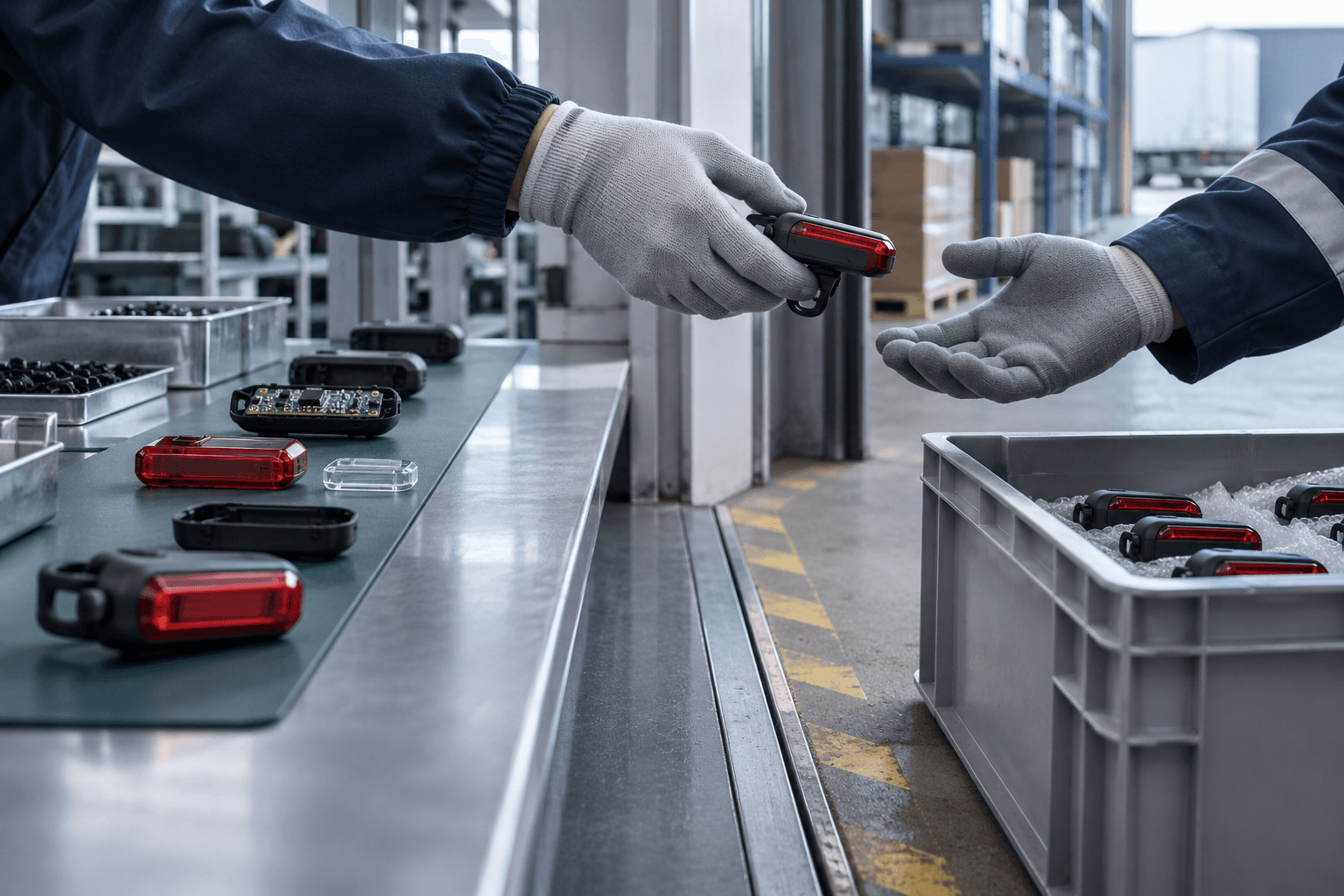
Editorial image; not evidence of a factory visit or test.
Three names can be legitimate; one unexplained gap is still a decision problem
Before ordering, write down who issued the quotation, who will make or finish the product, who will sign or acknowledge the order, who will invoice and who is asking to receive payment. These may be different companies for ordinary commercial reasons. The buyer's task is to understand the relationship for this specific order, not to infer fraud from a name mismatch or to assume all names belong to one business.
This check matters when a sales company introduces a factory, a group company invoices, or a different account appears before payment. It is separate from verifying a changed bank instruction after an order is already underway: here the buyer is defining the original commercial and production chain.
Build a role map tied to one product and order version
Make one row each for seller or contracting party, manufacturing site, any critical external process, invoice issuer, payment recipient and export or shipping contact. Record the entity name as presented, the role it claims, the document where it appears and the person who can explain the connection. Add the product model, specification version and intended destination so that a general company profile does not substitute for an answer about this order.
Keep observed information separate from supplier statements. A website, business card or workshop video may help start the map, but none alone proves who will perform the order or control payment. If a role is still unknown, write 'not confirmed' instead of filling it with the name of the main sales contact.
Reconcile the documents before authorising money or production
Compare the quotation, proposed purchase order, pro forma invoice, beneficiary details and any written introduction of the production site. Ask why each difference exists and which party accepts the product requirements, price, change instructions and delivery commitments. The answer should appear in a document that the relevant parties actually use, not only in a call recap by someone without authority to confirm it.
For payment details, use a contact channel you already trust to confirm the proposed beneficiary and account before sending funds. If details change later, repeat the independent confirmation. This article does not determine contract enforceability, tax treatment or export-document requirements; those depend on the transaction and should be checked by the responsible advisers or service providers.
Ask what happens when the product or site changes
A clear role map should also identify who can approve a material change, a subcontracted step, a different site or a revised sample. Ask who will keep the approved specification and production records and who will respond if the delivered goods differ. A sales company may coordinate these answers, but the buyer should know where the relevant production evidence will come from.
Use a short exception list: mismatched legal names, a site that cannot be tied to the quoted model, an invoice issuer that has not been explained, or a beneficiary that differs from the agreed party. For each exception, name the missing explanation or document and the buyer-side owner who will review it. Do not treat a friendly introduction as a substitute for reconciling an exception.
Choose a scoped next step
Proceed only when the role map and documents support the order you intend to place; otherwise pause the affected decision and ask for a corrected document, a direct confirmation from the relevant party or an appropriately scoped independent check. A buyer may decide that a multi-entity structure is workable, but that decision should specify which party owes which action under the agreed documents.
MAX Sourcing Context can help organise China-side supplier questions, compare the stated roles with available materials and coordinate follow-up. Share the proposed product, quotation and the roles that do not yet line up through a sourcing request so the work can be scoped. We do not certify legal identity, provide legal advice or guarantee performance or payment recovery.
Practical checklist
- 01List seller, production site, invoice issuer, payment recipient and export contact separately.
- 02Tie every role to the exact product, specification version and proposed order.
- 03Compare names and responsibilities across quote, order, invoice and beneficiary details.
- 04Confirm payment instructions through an independently trusted contact channel.
- 05Record each unexplained mismatch and who must resolve it.
- 06Pause the relevant commitment until the responsible parties and documents align.
Copyright and republication
© 2026 MAX Sourcing Context. This article is published by MAX Sourcing Context. Limited quotation where permitted by applicable law should identify the article title, MAX Sourcing Context and the original link. Full republication, translation, commercial reuse or reuse of images requires prior written permission. Third-party material remains the property of its respective rights holders.
Continue reading
Explore related questions along the same sourcing decision path.



Need help clarifying the next step?
If you need China-side supplier research, factory visit support, or sourcing communication help, send us the product category and current supplier information.
Submit project detailsservice@maxsourcingcontext.com