
Supplier research
How to Check a Chinese Factory's Capability Before Ordering Samples
A practical guide for overseas buyers who need to understand Chinese factory capability, product scope, sample readiness, and communication before paying for samples.
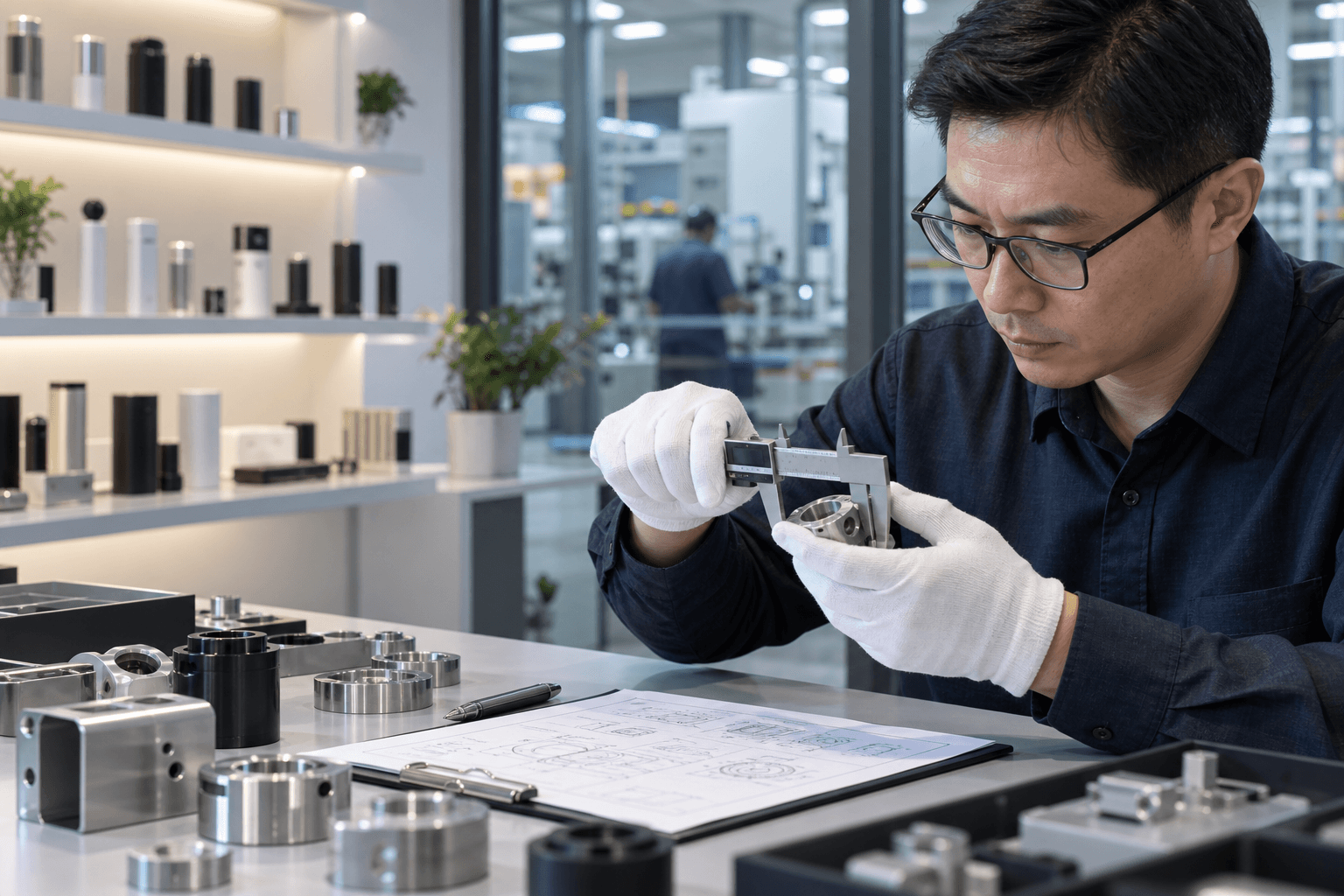
Editorial image; not evidence of a factory visit or test.
Short answer
Before ordering samples from a Chinese factory, buyers should confirm that the factory matches the product, intended quantity, target market, and level of technical detail required. This involves more than asking for workshop photos.
The practical goal is to understand what the factory makes itself, what is still an assumption, which sample options are realistic, and how the important decisions will be recorded before production discussions begin.
Separate production capability from sales presentation
A catalog, factory photos, and a quick quotation are useful starting points, but they are not confirmation of capability. Buyers should ask which products or production steps are handled in-house, which materials or components rely on partners, and which variants are normal export products.
This is not a negative judgment. Many good projects involve specialist partners. The distinction simply helps buyers see possible dependencies, lead-time factors, and items that need to be clarified.
Give the sample a decision purpose
A sample should have a clear purpose: checking material, dimension, finish, packaging, fit for use, or a compliance assumption. Without that purpose, buyers may receive an acceptable product without knowing exactly what has been validated.
Ask what will match production, what remains provisional, which costs belong to sampling, and what information the factory still needs before it can confirm a final version.
Treat communication as an operating signal
A capable factory will often ask about application, market, quantity, packaging, tolerance, timeline, or sample purpose. These questions can show that the project is being treated as a production decision rather than an automatic quote request.
Vague or inconsistent replies do not automatically mean a factory is unsuitable. They mean that the assumptions should be written down and compared before the buyer commits to the next stage.
Where MAX Sourcing Context helps
MAX Sourcing Context helps overseas buyers read factory information from the China side, organize the right questions, prepare a sample objective, and clarify open points before RFQs, visits, or purchase decisions.
We do not certify factories or guarantee production results. Our role is to help buyers understand context and reduce ambiguity before costly decisions.
Practical checklist
- 01Define the product, use case, target market, and purpose of the sample.
- 02Ask which products and production steps are handled in-house.
- 03Check the material, finish, dimensions, and packaging logic.
- 04Clarify sample cost, lead time, revision options, and the path to production.
- 05Ask what information is missing before the factory can make a reliable confirmation.
- 06Keep important decisions and assumptions in writing.
Copyright and republication
© 2026 MAX Sourcing Context. This article is published by MAX Sourcing Context. Limited quotation where permitted by applicable law should identify the article title, MAX Sourcing Context and the original link. Full republication, translation, commercial reuse or reuse of images requires prior written permission. Third-party material remains the property of its respective rights holders.
Continue reading
Explore related questions along the same sourcing decision path.


Need help clarifying the next step?
If you need China-side supplier research, factory visit support, or sourcing communication help, send us the product category and current supplier information.
Submit project detailsservice@maxsourcingcontext.com