

Supplier research
Chinese Supplier Proposes Rework: What Should Buyers Approve?
Separate approval of a rework trial, treatment of the affected lot and shipment release. Define evidence, acceptance criteria and owners before work begins.

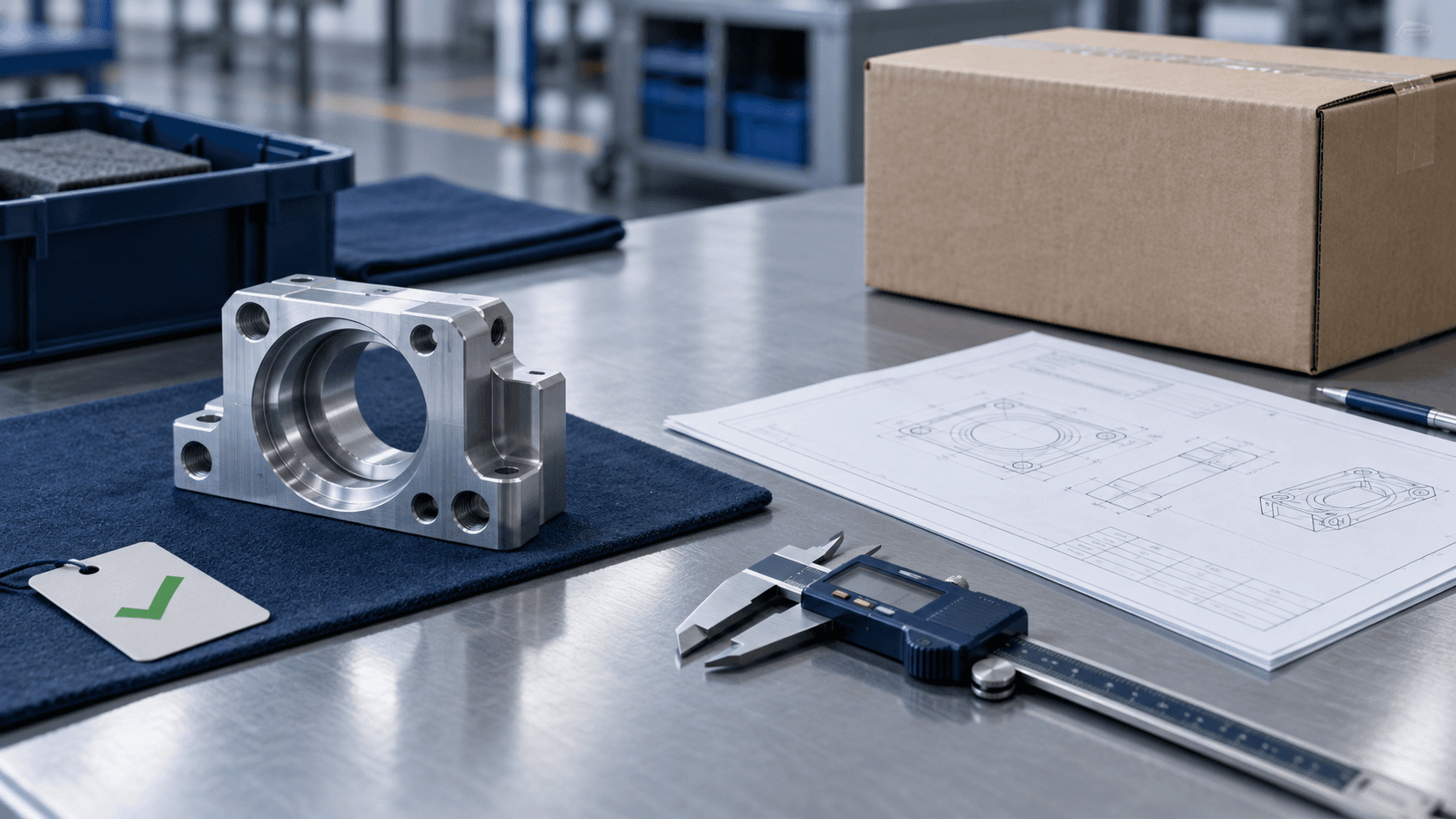
Editorial image; not evidence of a factory visit or test.
Name the decision before replying “please fix it”
When a Chinese supplier proposes rework, separate permission to try a defined method, permission to apply it to the affected goods, and permission to ship. A buyer may authorize a limited trial while keeping the rest of the lot and shipment decision on hold. Write that scope explicitly rather than expecting a general message to carry all three meanings.
This guide is a purchasing decision framework, not a technical rework instruction. The supplier's description and photographs are inputs to review; they do not establish that the method is safe, restores the agreed requirements or is suitable for every affected unit. Where safety, performance or regulated characteristics may be involved, obtain the appropriate technical review before authorizing work.
Gate 1: establish the requirement and the affected population
ASQ's glossary describes nonconformity in terms of a specified requirement that has not been fulfilled. Start there: identify the drawing, specification, reference sample or other agreed criterion, then describe the observed difference. Keep the observed issue separate from the supplier's proposed cause and remedy.
Ask which order, SKU, version, production dates and quantities may be affected; how many units were examined; and how the supplier will identify and separate unreviewed, trial-treated and accepted goods. If the extent is unknown, record it as unknown. A few photographs cannot establish the defect rate of an entire batch. Ask what work or dispatch activity needs to pause while that boundary is established.
Gate 2: authorize a limited trial against agreed criteria
Request a written proposal identifying the operation, who will perform it, the units selected for the trial, and the characteristics that could be affected. Require the supplier to explain how it will check both the original problem and any consequences of the treatment. The buyer's technical or quality owner should decide the relevant criteria and method; a sourcing coordinator should not invent tolerances or inspection percentages.
For illustration only, refinishing a wooden frame may lead the buyer to ask about the final dimensions, surface appearance, coating specification and time needed before packing. These are questions for the actual product and process, not evidence that sanding or recoating is appropriate. Do not replace the original requirement with an easier one merely because the proposed treatment cannot meet it. Any proposed acceptance of a changed requirement needs its own authorized review.
Define what the trial must return: identified units, method used, results against each agreed criterion, remaining uncertainty and the person reviewing those results. State that trial approval alone does not authorize treatment of all goods or shipment.
Gate 3: decide rollout and release separately
If the trial provides sufficient evidence, the authorized owner can decide whether the same controlled method may be applied to a defined population. Record how treated units will be traced, how the results will be checked, what happens to units that still fail, and which changes require a fresh approval. A successful trial does not remove the need to check the work actually carried out on the lot.
Keep commercial arrangements alongside the technical decision: proposed cost allocation, any additional inspection, revised ready date, packing implications and who communicates the change. Confirm these with the relevant parties; this article does not decide liability or contractual remedies. Shipment release should follow a separate review of the agreed evidence and unresolved issues by the named release owner.
Send an approval with visible limits
Adapt this example to the project: “We authorize only the trial described in proposal [version] on [identified units]. Please keep the remaining affected goods separate. Return results against [criteria] for review by [owner]. This message does not authorize rollout, shipment or a change to the agreed specification. Please confirm the proposed cost and schedule impact separately.” An email records intent; its contractual effect requires the appropriate advice when relevant.
After the immediate goods decision, ask what the supplier believes caused the issue and what evidence will show whether action on future production has worked. Keep that follow-up distinct from accepting the current lot. MAX Sourcing Context can help organize China-side questions, versions, responses and decision records. Technical approval, independent inspection, laboratory testing and legal advice remain with the appropriate qualified parties; send a sourcing request to discuss coordination needs.
Practical checklist
- 01State whether the requested decision concerns a trial, rollout or shipment.
- 02Identify the unmet requirement, observed difference and known inspection scope.
- 03Define the affected population and separation of goods before treatment.
- 04Have the technical owner set trial criteria, checks and review responsibility.
- 05Record rollout limits, traceability, remaining failures, cost and schedule proposals.
- 06Obtain the named owner's shipment decision after reviewing lot evidence.
Sources and further reading
- ASQ — Quality Glossary: nonconformity
Used only for the definition of nonconformity. Web edition has no stated publication date; PDF edition is described as last published in 2018. Reviewed 27 October 2026. This terminology source does not validate a supplier's rework method or provide product-specific acceptance criteria.
Copyright and republication
© 2026 MAX Sourcing Context. This article is published by MAX Sourcing Context. Limited quotation where permitted by applicable law should identify the article title, MAX Sourcing Context and the original link. Full republication, translation, commercial reuse or reuse of images requires prior written permission. Third-party material remains the property of its respective rights holders.
Continue reading
Explore related questions along the same sourcing decision path.


Need help clarifying the next step?
If you need China-side supplier research, factory visit support, or sourcing communication help, send us the product category and current supplier information.
Submit project detailsservice@maxsourcingcontext.com