

Documents & packaging
Partial Shipment From China: What Buyers Should Check First
A buyer-side decision framework for quantities, acceptance, payment, logistics and the remaining balance when a Chinese supplier asks to ship only part of an order.
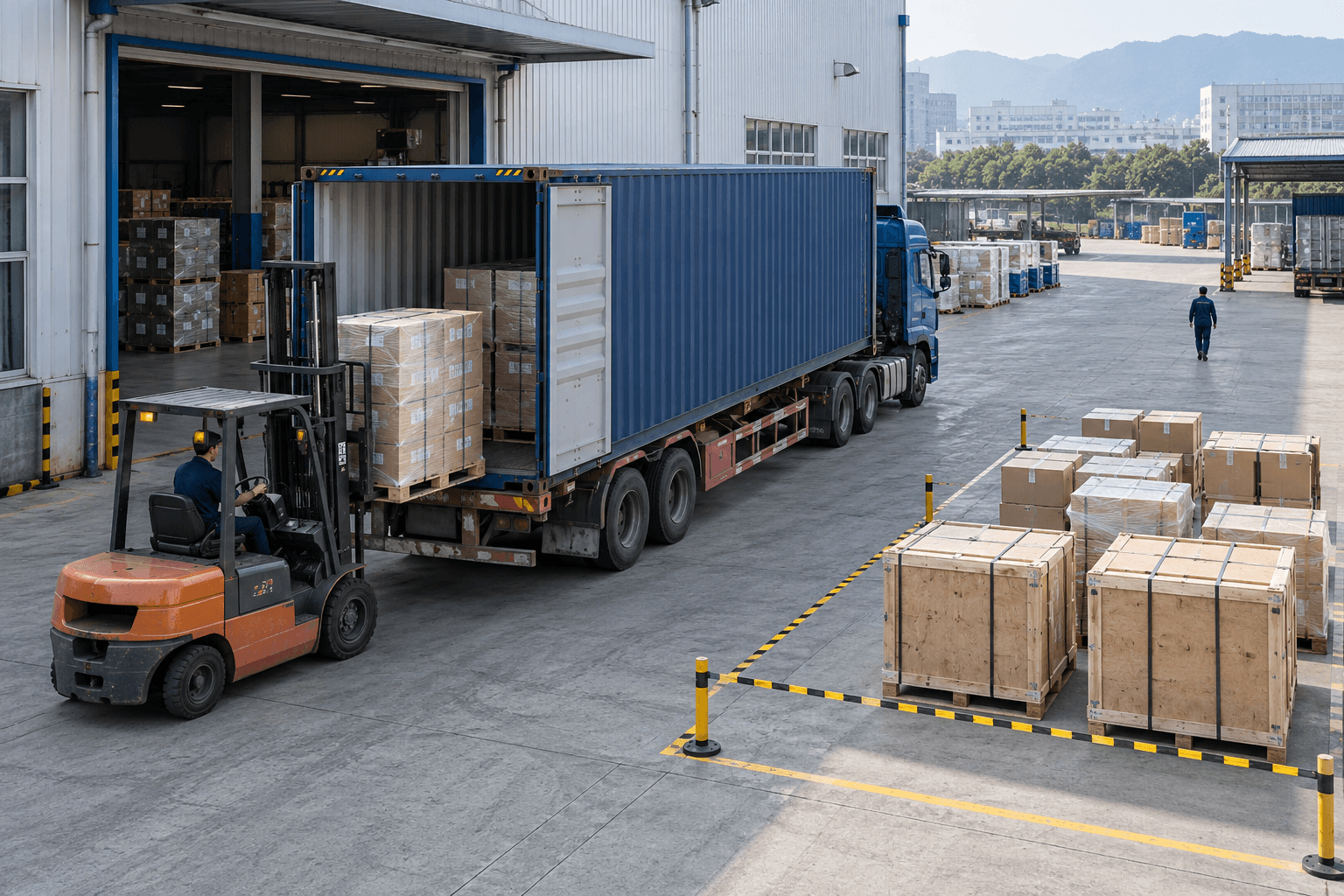
Editorial image; not evidence of a factory visit or test.
A partial shipment changes more than the dispatch date
If a supplier can ship only part of the order, do not treat the proposal as a routine scheduling update. The buyer must decide whether the available quantity is usable on its own, what will happen to the balance, and which commercial and product controls apply to each release. Accepting the first batch does not, by itself, settle those questions.
Ask why the order is being split: completed production, a missing component, a quality hold, packaging, capacity, or a buyer-side change. Record the explanation as the supplier's statement until supported by the relevant order and production information. The reason determines which questions to pursue; it is not proof that the released goods conform.
Build a two-column order reconciliation
For each product and version, put the original order beside the quantity proposed for release and the quantity remaining. Add batch or lot identification, packaging version, any serial range, and the evidence available for that specific portion. If the split mixes versions or substitutes components, stop and address those differences as separate changes before discussing freight.
Then ask whether the first portion can meet the buyer's actual need. A distributor may require complete assortments; a project buyer may need matched components; a retailer may need a full packaging set. A quantity that looks helpful in the supplier's warehouse may be unusable at the buyer's receiving point. This is a product and channel decision, not just a logistics calculation.
Recalculate the handoffs before agreeing
A split may create a second collection, freight booking, insurance question, set of shipping documents, receiving event or payment milestone. Confirm the agreed delivery term and named place, who arranges each movement, and which additional costs or administrative steps require a revised agreement. Do not assume a prior quotation automatically covers two shipments.
Keep the commercial record coherent: purchase order amendment if needed, invoice quantities, packing lists, payment allocation and the remaining balance should refer to the same product versions. Customs, tax, contractual rights and import obligations depend on the route and jurisdiction; the relevant logistics, finance or legal professionals should check those consequences where material.
Set release conditions for the first and later portions separately
For the portion available now, define the evidence required before release and who can authorize it. This might include the agreed product reference, quantity reconciliation, packaging confirmation or a risk-based independent check. A photo of packed cartons can show some visible details, but cannot establish the contents or performance of every unit.
For the balance, ask for a dated production and dispatch plan with identified dependencies rather than an unqualified promise. Specify what happens if that plan changes again, including when the buyer will be told and what decision must be reopened. Do not let a vague second date disappear from the record once the first shipment moves.
Choose one of three explicit responses
Accept the split only when both portions are defined and the first is commercially usable. Defer acceptance when quantities, evidence, costs or the later plan remain open. Decline the split when a partial delivery would defeat the purpose of the order or create an unmanaged dependency. Communicate the reason and the information needed for the supplier to revise its proposal.
MAX Sourcing Context can help buyers organize China-side supplier answers, order-version differences and open release questions before a sourcing decision. We do not issue customs or legal conclusions, certify goods, or guarantee delivery. Buyers can submit a sourcing request for a separately defined scope of support.
Practical checklist
- 01Reconcile ordered, ready-to-ship and remaining quantities by product version.
- 02Ask why the split arose and keep the supplier's explanation distinct from evidence.
- 03Decide whether the first portion is usable without the balance.
- 04Confirm revised freight, document, receiving and payment responsibilities.
- 05Set a separate release gate for each portion and a dated plan for the balance.
- 06Record acceptance, deferral or refusal as an explicit order decision.
Copyright and republication
© 2026 MAX Sourcing Context. This article is published by MAX Sourcing Context. Limited quotation where permitted by applicable law should identify the article title, MAX Sourcing Context and the original link. Full republication, translation, commercial reuse or reuse of images requires prior written permission. Third-party material remains the property of its respective rights holders.
Continue reading
Explore related questions along the same sourcing decision path.


Need help clarifying the next step?
If you need China-side supplier research, factory visit support, or sourcing communication help, send us the product category and current supplier information.
Submit project detailsservice@maxsourcingcontext.com