
RFQs & samples
How to Compare Chinese Suppliers Before RFQ
A practical guide for overseas buyers comparing Chinese suppliers before sending RFQs, requesting samples, or committing to factory visits.
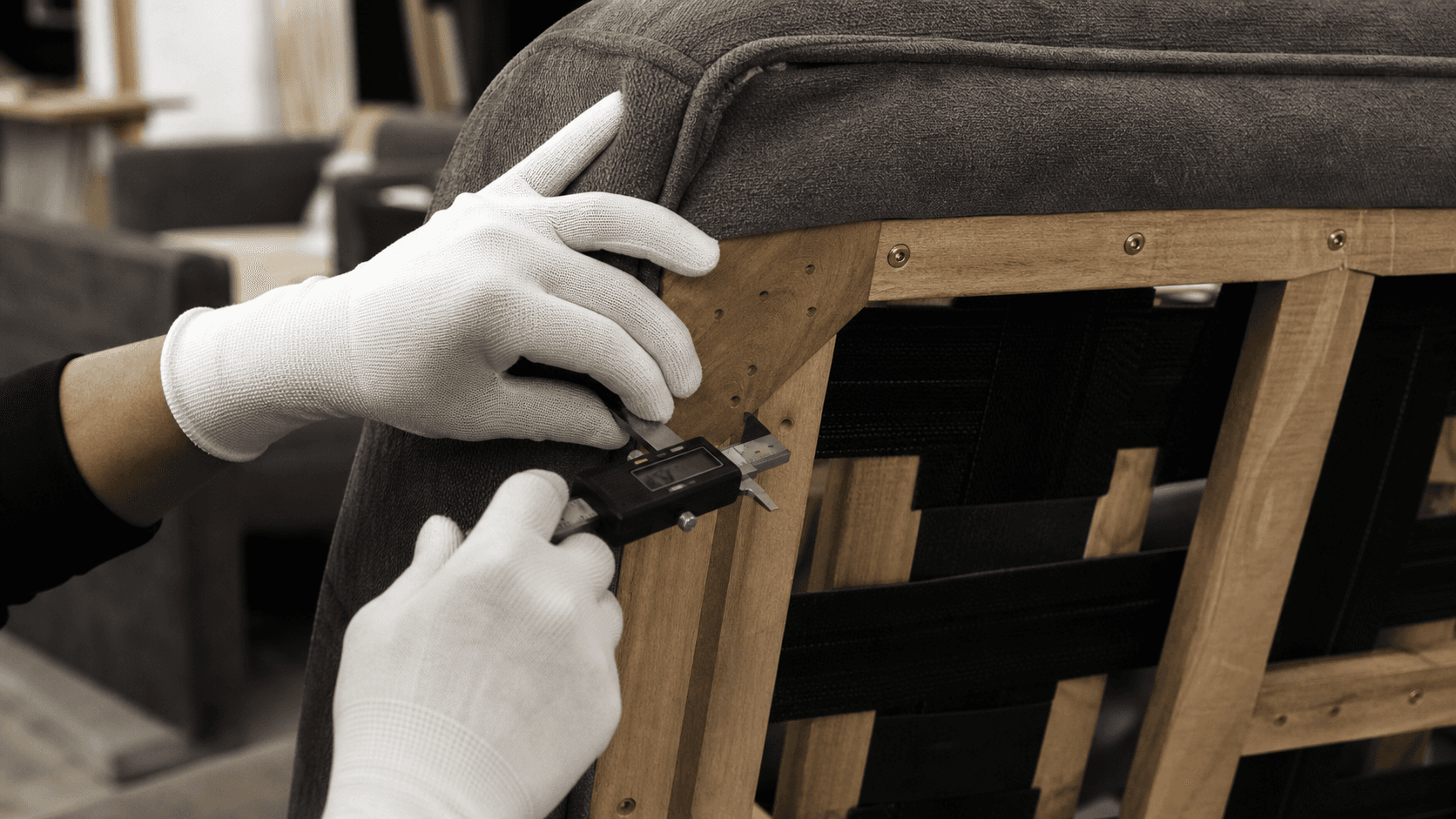
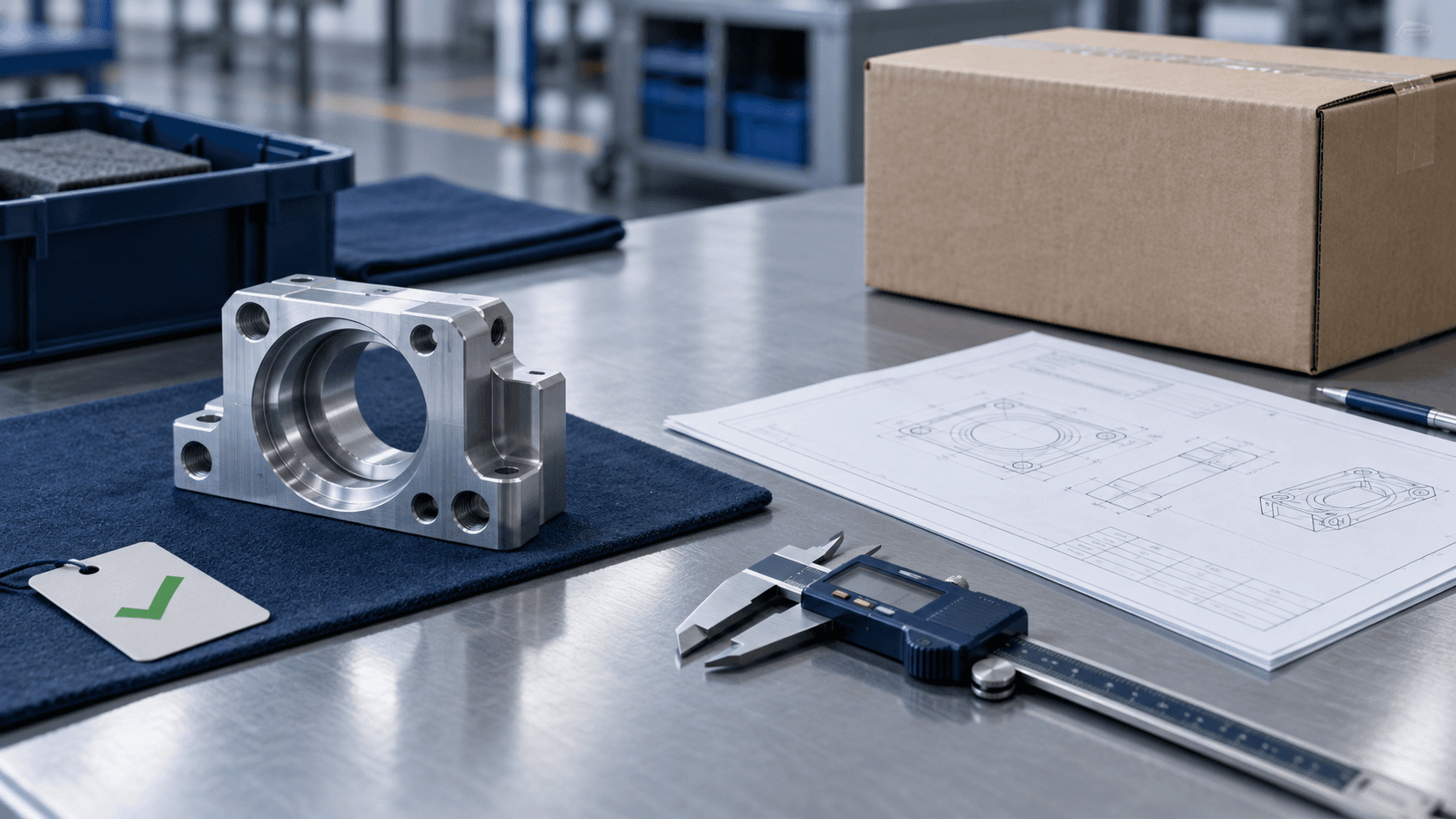
Editorial image; not evidence of a factory visit or test.
Short answer
Before sending an RFQ, buyers should compare Chinese suppliers by product fit, supplier type, communication quality, documentation readiness, order conditions, sample logic, and the questions each supplier can answer clearly.
Unit price matters, but it should not be the first comparison point. If the supplier does not match the product, market, order size, or documentation needs, a lower quote can create more risk later.
Start with supplier fit, not price
A useful supplier comparison starts by asking whether each supplier is actually suitable for the project. Buyers should separate OEM manufacturers, ODM manufacturers, trading companies, export agents, workshops, and component suppliers because they serve different needs.
For example, a supplier with a broad catalog may be useful for sourcing options, while a specialized manufacturer may be better for technical consistency, customization, or repeat production. The right choice depends on the buyer's product, market, volume, and risk tolerance.
Compare the information suppliers can provide
Strong suppliers usually make it easier to understand product range, specifications, materials, packaging, lead time, MOQ, testing documents, export markets, and sample conditions. Weak information does not always mean the supplier is bad, but it does mean the buyer needs clearer questions before moving forward.
Certificates and test reports should be treated as signals, not final proof. Buyers should check what the document covers, whether it applies to the exact product, who issued it, and whether independent confirmation is needed.
Read communication as a sourcing signal
Supplier communication is not only about speed. Buyers should look at whether the supplier understands the use case, answers the actual question, explains trade-offs, asks for missing details, and can keep product, quotation, sample, and document discussions organized.
If early communication is vague, inconsistent, or heavily dependent on generic catalog language, the buyer may need a more structured RFQ and comparison process before discussing price.
Where MAX Sourcing Context helps
MAX Sourcing Context helps buyers review supplier options from the China side, compare supplier information, prepare supplier-ready questions, and organize what should be clarified before RFQs, samples, visits, or purchasing decisions.
We do not label suppliers as certified, approved, verified, or guaranteed unless a professional and legally valid verification process has been completed. Our role is to reduce ambiguity and help buyers make better-informed next steps.
Practical checklist
- 01Define the product category, use case, target market, and expected order size.
- 02Identify whether each option is an OEM manufacturer, ODM manufacturer, trading company, workshop, or specialized component supplier.
- 03Compare product fit, application examples, and whether the supplier's range matches the project.
- 04Review packaging details, MOQ, lead time, sample process, quotation logic, and payment assumptions.
- 05Check certificates and test reports as signals, then decide what requires independent confirmation.
- 06Compare communication quality: clarity, consistency, question handling, and follow-up discipline.
- 07Prepare a structured RFQ only after the supplier list is narrow enough to compare meaningfully.
Copyright and republication
© 2026 MAX Sourcing Context. This article is published by MAX Sourcing Context. Limited quotation where permitted by applicable law should identify the article title, MAX Sourcing Context and the original link. Full republication, translation, commercial reuse or reuse of images requires prior written permission. Third-party material remains the property of its respective rights holders.
Continue reading
Explore related questions along the same sourcing decision path.
Need help clarifying the next step?
If you need China-side supplier research, factory visit support, or sourcing communication help, send us the product category and current supplier information.
Submit project detailsservice@maxsourcingcontext.com