
RFQs & samples
Supplier Raises MOQ After Sample Approval: What Buyers Can Do
A buyer-side framework for checking why a Chinese supplier raised its minimum order quantity, comparing workable options, and recording the revised order basis.
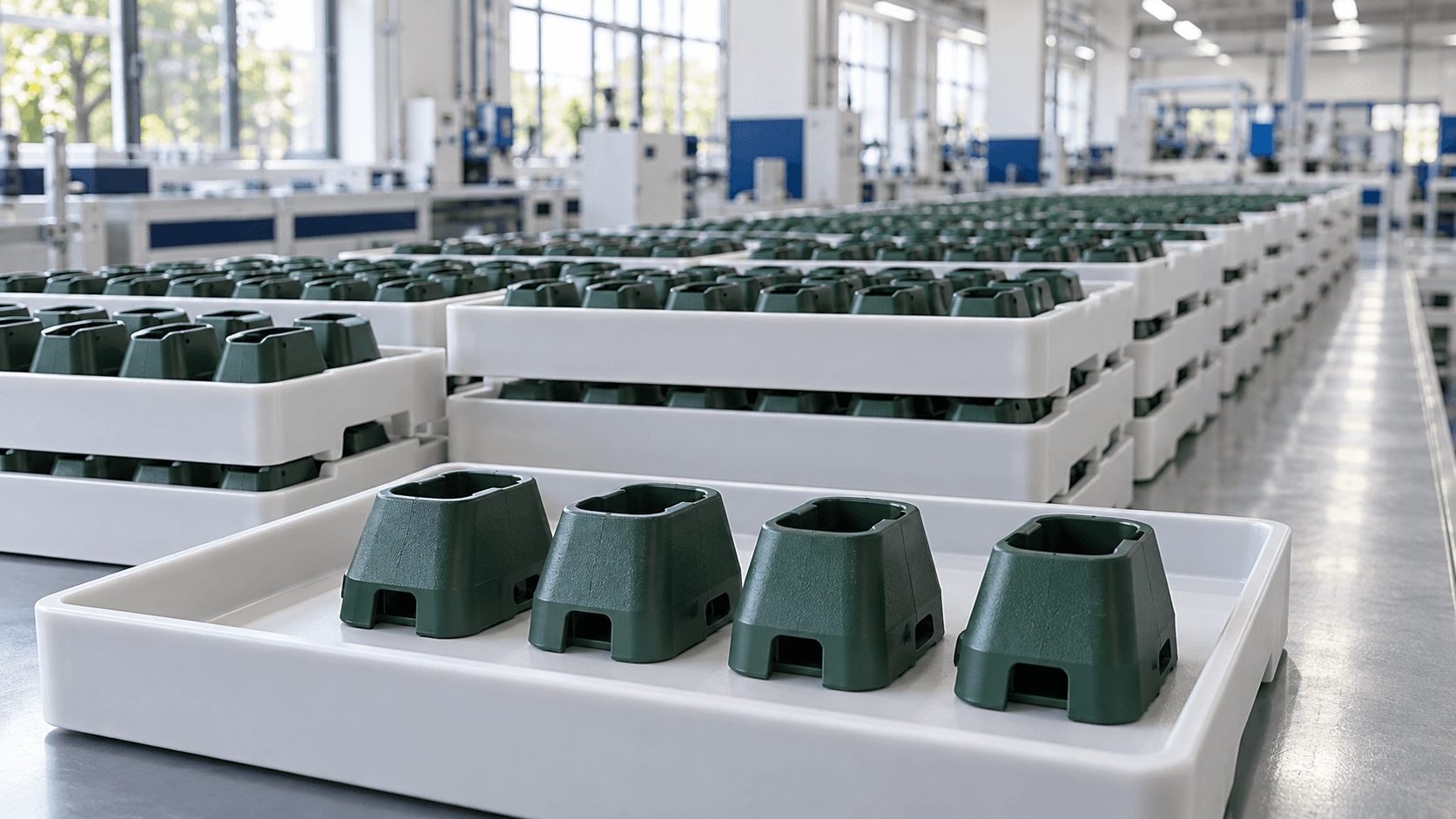
Editorial image; not evidence of a factory visit or test.
A higher MOQ is a new decision, not a detail to overlook
If a supplier raises the minimum order quantity after you reviewed a sample or discussed a price, pause before revising the purchase order. Sample approval identifies a product reference; it does not settle the commercial minimum for every material, finish, packaging version or production run. First establish which earlier quantity was quoted, which specification it covered, and what exactly changed.
Do not assume that the supplier is acting improperly, or that the new number is inevitable. Ask for the production constraint behind it and compare the answer with the current product and order scope. The useful outcome is an order decision you can defend internally, not a debate about whether MOQ is generally negotiable.
Pin down the unit and the reason
Ask whether the new minimum applies per order, model, color, size, material batch, packaging artwork or shipment. A minimum of several variants combined is not the same as that number for each variant. Record the earlier quote and sample version alongside the revised proposal so that the comparison uses the same product basis.
Request the supplier's explanation in operational terms: a material purchase lot, machine setup, tooling run, packaging print run or upstream supplier minimum. Keep that explanation as a supplier statement until the relevant quotation, process or third-party dependency is clarified. You need enough detail to test options; you do not need unrestricted access to the factory's internal cost accounts.
Compare alternatives against the same total exposure
Possible responses include accepting the new quantity, choosing a standard material or pack, combining variants where technically valid, staging releases against one confirmed production batch, or asking for a separately priced smaller run. None is automatically available. Check whether the supplier can actually produce, store, identify and release the agreed versions without mixing lots or silently changing materials.
Compare not only unit price but cash tied up, storage and damage risk, expected sales or project use, extra handling, freight, payment milestones and what happens to unsold stock. A lower unit price may still create a worse purchase if the buyer cannot use the added quantity. A small-run surcharge may be more rational than owning excess inventory; decide from the complete proposal rather than from one headline price.
Make the revised agreement inspectable
Before approving, put the agreed product and sample reference, quantity by variant, price basis, packaging, production and release schedule, payment triggers, storage responsibility and unresolved points into the revised quotation or order record. If goods will remain with the supplier, confirm identification, access, loss risk and the conditions for later release; do not infer these from the word 'reservation'.
Contract rights, title to stored goods and import obligations depend on the actual terms and jurisdictions. Have the appropriate commercial, legal and logistics owners review material changes. A photograph of finished stock can support a status conversation but cannot establish ownership or conformity of the entire batch.
Choose a response you can send
Approve only when the revised basis fits your demand and risk tolerance. Ask for a narrower alternative when the cause is clear but the quantity is not workable. Defer or seek another supplier when the explanation, product version or downstream exposure remains unresolved. Tell the supplier exactly which assumption needs a new answer; avoid a vague request for a 'better MOQ'.
MAX Sourcing Context can help buyers structure supplier questions, compare China-side answers and track version and evidence gaps before a sourcing decision. We do not guarantee an MOQ reduction, certify production capability or decide contractual rights. Buyers can submit a sourcing request for a separately scoped review.
Practical checklist
- 01Compare the original and revised quote against the same product and sample version.
- 02Identify whether the new minimum applies per model, variant, pack, run or order.
- 03Ask which material, setup or upstream constraint changed and what evidence is available.
- 04Price out smaller runs, standard options, valid variant combinations and staged releases where feasible.
- 05Compare total cash, inventory, storage, freight and sales exposure, not only unit price.
- 06Record the agreed quantity, versions, release conditions and owners before amending the order.
Copyright and republication
© 2026 MAX Sourcing Context. This article is published by MAX Sourcing Context. Limited quotation where permitted by applicable law should identify the article title, MAX Sourcing Context and the original link. Full republication, translation, commercial reuse or reuse of images requires prior written permission. Third-party material remains the property of its respective rights holders.
Continue reading
Explore related questions along the same sourcing decision path.



Need help clarifying the next step?
If you need China-side supplier research, factory visit support, or sourcing communication help, send us the product category and current supplier information.
Submit project detailsservice@maxsourcingcontext.com