

RFQs & samples
Steps to Buy from a Chinese Supplier Before Your First Order
A practical first-order roadmap for overseas buyers: supplier research, RFQ preparation, samples, documents, order terms, and China-side communication.

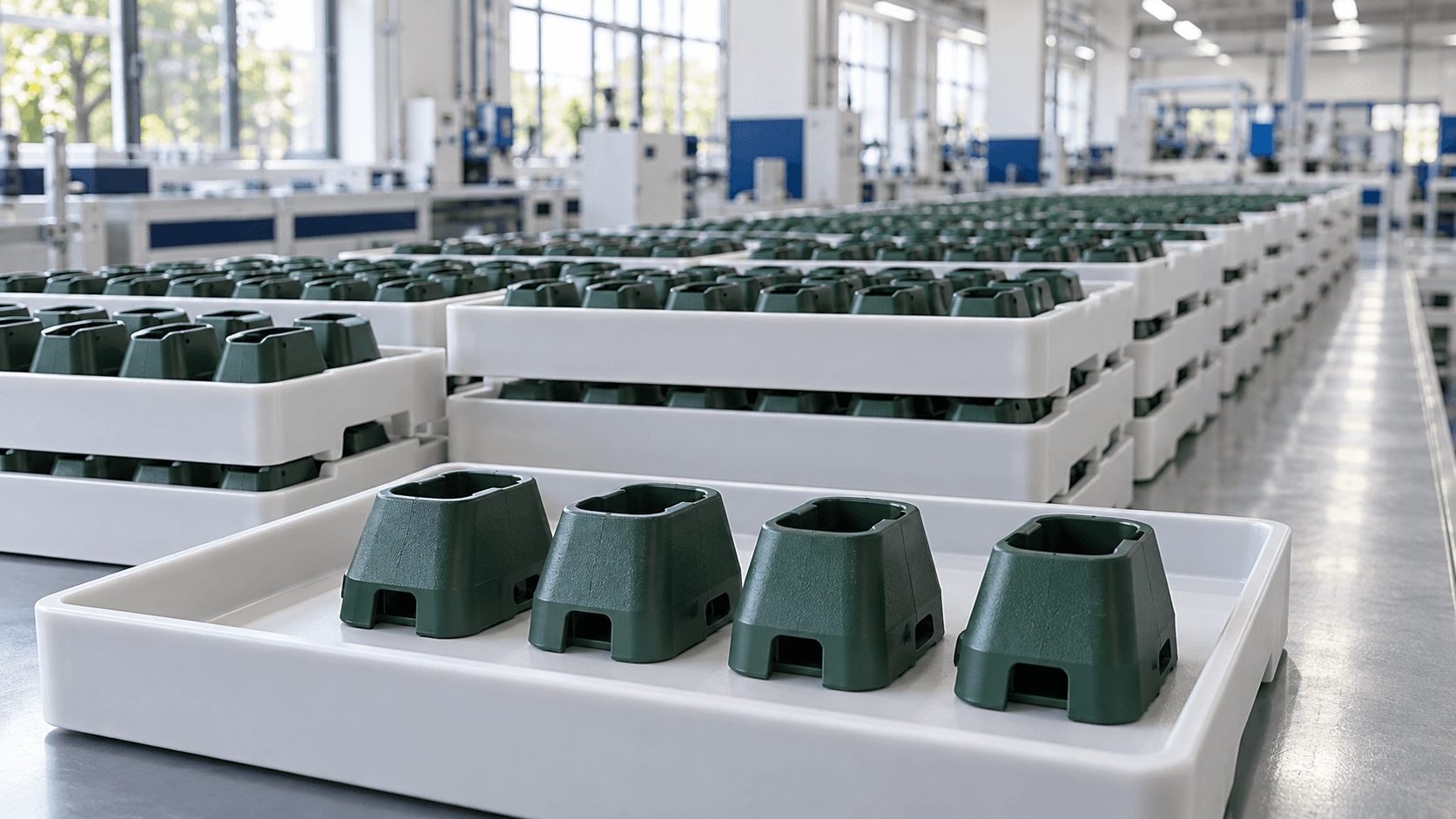
Editorial image; not evidence of a factory visit or test.
Short answer
A first order from a Chinese supplier usually follows a clear sequence: define the requirement, research suitable suppliers, prepare a comparable RFQ, review responses, organize samples, confirm order terms, and record open points before payment or production.
The process does not need to be difficult. It becomes risky when the steps are mixed together, such as comparing prices before the product, target market, packaging, or sample purpose has been confirmed.
1. Define the project before searching
Buyers should be able to explain the product, use case, target market, expected quantity, customization level, timing, and non-negotiable constraints. A clear project makes it easier to filter suppliers and receive responses that can actually be compared.
Not every detail needs to be decided at the start. The open points should be visible so the supplier can suggest options or explain what needs confirmation.
2. Compare suppliers before comparing prices
Before price, check supplier type, product range, technical information, sample conditions, available documents, and the quality of the questions being asked. Two lower prices may be based on different materials, packaging, tolerances, or compliance assumptions.
A structured shortlist is usually more useful than a long list of names. It gives the buyer a sound basis for deciding which suppliers deserve a detailed RFQ or follow-up call.
3. Confirm the sample and order terms
A sample is a validation stage, not just an item to receive. Buyers should confirm what the sample validates, what remains to be changed, and what may change at production scale.
Before ordering, make the important items visible: specification, quantity, price, lead time, packaging, payment, Incoterm, expected documents, possible inspection, and the person responsible for follow-up questions.
4. Keep a written decision trail
Projects become easier to manage when key decisions are written down: product version, open questions, files received, quotation assumptions, and confirmation dates. This reduces misunderstanding between the first enquiry and production.
Structured communication does not replace a contract, inspection, or legal advice where those are needed. It does provide a clearer foundation for those next steps.
Practical checklist
- 01Describe the product, use case, target market, and expected quantity.
- 02Create a shortlist of suitable suppliers before issuing an RFQ.
- 03Request the same product and commercial information from suppliers being compared.
- 04Define the purpose and validation points for the sample.
- 05Confirm specification, packaging, lead time, payment, and documents before ordering.
- 06Keep an accessible written record of decisions, files, and open questions.
Copyright and republication
© 2026 MAX Sourcing Context. This article is published by MAX Sourcing Context. Limited quotation where permitted by applicable law should identify the article title, MAX Sourcing Context and the original link. Full republication, translation, commercial reuse or reuse of images requires prior written permission. Third-party material remains the property of its respective rights holders.
Continue reading
Explore related questions along the same sourcing decision path.


Need help clarifying the next step?
If you need China-side supplier research, factory visit support, or sourcing communication help, send us the product category and current supplier information.
Submit project detailsservice@maxsourcingcontext.com